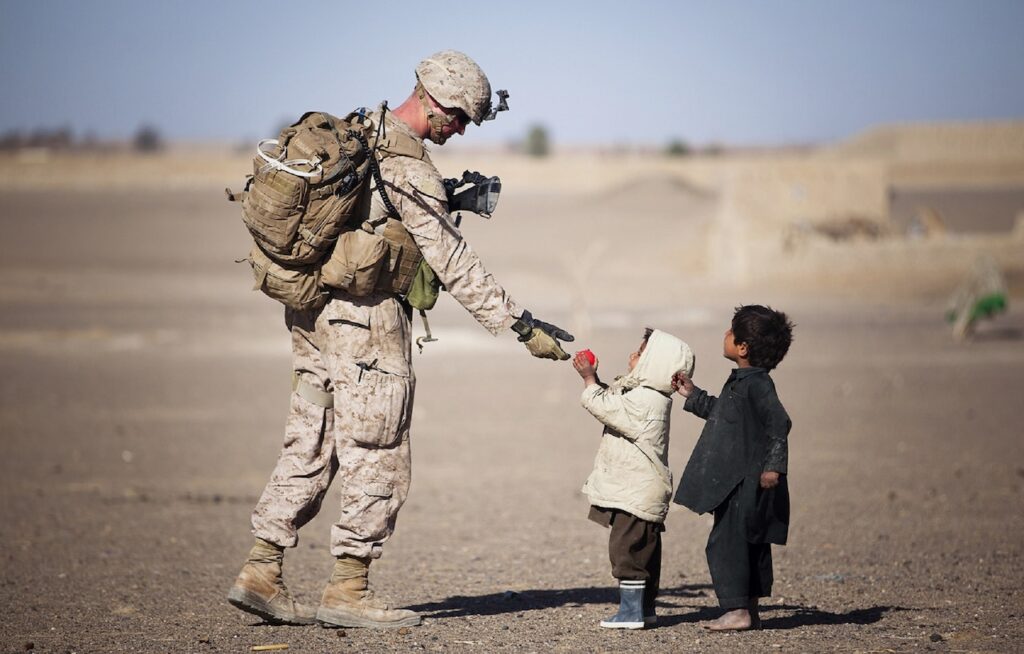
The Power of a Smile: Leveraging Positive Facial Expressions to Lift and Aid One Another

A smile is a universal language that transcends cultures and barriers. It has the power to brighten someone’s day, uplift spirits, and create a positive ripple effect. Beyond its aesthetic appeal, a smile is a powerful tool for connection, empathy, and support. In this article, we will explore the profound impact of a smile and how leveraging positive facial expressions can lift and aid one another.

The Science of Smiling

Smiling is more than just a facial expression; it is a physiological response that releases feel-good neurotransmitters in our brain, such as endorphins and serotonin. These chemicals contribute to a sense of happiness, relaxation, and overall well-being. When we smile, we not only experience these benefits ourselves, but we also have the opportunity to share them with others.

Creating Positive Energy

A genuine smile radiates positive energy. It has the power to change the atmosphere of a room and uplift the moods of those around us. When we smile at someone, it sends a message of warmth, acceptance, and kindness. It can serve as a gentle reminder that we care and are there to support and aid one another.

Fostering Connection and Empathy

A smile is a powerful tool for fostering connection and empathy. It creates an instant bond, breaking down barriers and establishing a sense of familiarity and trust. When we smile at someone, it communicates that we see and acknowledge them. It encourages open and authentic communication, allowing individuals to feel safe and understood. In times of need, a smile can provide comfort and reassurance, letting others know that they are not alone.

Lifting Spirits and Boosting Well-being

A smile has the power to uplift spirits and boost overall well-being. When we smile, we invite positivity and optimism into our lives and the lives of those we encounter. It can act as a small gesture of encouragement, reminding others that they have the strength to overcome challenges and find joy in everyday moments. A genuine smile can be a ray of sunshine on a cloudy day, bringing lightness and hope to those who may be struggling.

Inspiring Acts of Kindness

A smile can be the catalyst for acts of kindness and compassion. When we share a smile with someone, it creates a ripple effect that encourages reciprocal acts of goodness. It inspires others to pay it forward, spreading positivity and support in the world. A simple smile can be the spark that ignites a chain reaction of kindness, creating a domino effect of aid and support.

Practical Ways to Leverage Positive Facial Expressions

Leveraging positive facial expressions goes beyond just smiling. Here are some practical ways to utilize positive facial expressions to lift and aid one another:

  1. Smile genuinely: Practice authentic smiles that come from the heart. A genuine smile is contagious and holds immense power.
  2. Maintain eye contact: Combine your smile with meaningful eye contact to convey genuine interest and connection.
  3. Practice active listening: Use your facial expressions, such as nodding and raised eyebrows, to show that you are actively engaged and present in the conversation.
  4. Show empathy: Use your facial expressions to mirror and validate the emotions of others. Display compassion and understanding through your nonverbal cues.
  5. Be approachable: Maintain an open and welcoming facial expression to encourage others to reach out and seek support when needed.
  6. Offer encouragement: Use positive facial expressions to cheer others on and provide words of encouragement. A simple smile can be a powerful motivator.
  7. Practice gratitude: Express gratitude with a smile. Show appreciation for the presence and contributions of others through your facial expressions.

Remember, small acts of kindness through positive facial expressions can have a profound impact on those around us. By leveraging the power of a smile, we can create a more supportive, connected, and compassionate world.

The power of a smile should not be underestimated. It has the ability to lift spirits, foster connection, and aid one another in times of need. Let us embrace the simple yet transformative act of smiling, and leverage positive facial expressions to make a positive difference in the lives of those around us.


Unlocking Connection: Using Eye Contact to Help and Support One Another

In our fast-paced and technology-driven world, genuine human connection has become increasingly rare. We find ourselves constantly glued to screens, absorbed in our own thoughts and distractions. However, one simple yet powerful act has the potential to bridge the gap and unlock deep connection between individuals – eye contact. The power of eye contact should not be underestimated. It has the ability to transcend words and touch the very core of our humanity. In this article, we will explore the significance of eye contact in helping and supporting one another, and how it can enhance our relationships and overall well-being.

The Importance of Eye Contact

Eye contact is more than just a fleeting glance; it is an intentional act of truly seeing and acknowledging another person. When we make eye contact, we communicate a sense of presence and attentiveness. It conveys respect, openness, and a willingness to connect on a deeper level. This simple gesture has the power to make someone feel valued, understood, and supported.

Enhancing Empathy and Understanding

Eye contact plays a crucial role in fostering empathy and understanding. When we look into someone’s eyes, we can better discern their emotions, thoughts, and needs. It allows us to pick up on subtle cues and nonverbal signals, enabling us to respond with greater sensitivity and compassion. Through eye contact, we can create a safe space for others to express themselves, knowing that they are truly being heard and understood.

Building Trust and Strengthening Relationships

Trust is the foundation of any healthy and meaningful relationship. Eye contact cultivates trust by establishing a sense of connection and authenticity. It shows that we are fully present and engaged in the interaction, building a bridge of understanding and fostering a deeper bond. When we make consistent eye contact, we communicate our commitment to the relationship and our willingness to be there for one another.

Supporting Vulnerability and Emotional Well-being

Eye contact can be particularly powerful in supporting vulnerability and emotional well-being. It creates a space where individuals feel safe to express their true selves, free from judgment or criticism. When we lock eyes with someone in a moment of vulnerability, we communicate acceptance and empathy. This can provide immense comfort and validation, empowering individuals to explore their emotions and experiences more openly.

Breaking Barriers and Overcoming Isolation

In a society that often struggles with isolation and disconnection, eye contact has the potential to break down barriers and foster a sense of belonging. By truly seeing and acknowledging each other, we can bridge the gaps of misunderstanding and loneliness. Eye contact is a reminder that we are not alone, and that we are part of a greater community where support and connection are possible.

Practicing Mindful Eye Contact

To fully harness the power of eye contact, we must approach it with mindfulness and intentionality. Here are some tips to help you practice mindful eye contact:

  1. Be fully present: Clear your mind and be fully present in the moment. Give your undivided attention to the person you are engaging with.
  2. Relax and be open: Relax your body and facial muscles. Let go of any tension or distractions that might hinder your ability to make genuine eye contact.
  3. Maintain a balance: Strike a balance between maintaining eye contact and respecting personal boundaries. Be aware of cultural differences and individual preferences.
  4. Be respectful: Eye contact should be a positive and affirming experience. Avoid staring or making others feel uncomfortable. Practice kindness and respect in all interactions.
  5. Practice active listening: As you make eye contact, listen attentively to what the other person is saying, both verbally and nonverbally. Show genuine interest and respond accordingly.
source: youtube.com/@Charismaoncommand

Unlocking connection through eye contact is a simple yet profound way to help and support one another. It fosters empathy, builds trust, and promotes a sense of belonging. By practicing mindful eye contact, we can create spaces of deep connection and understanding. So, let’s embrace the power of eye contact and embark on a journey of meaningful human connection, one gaze at a time.

The Science Behind Tone of Voice: How it Can Positively Impact Our Ability to Help

Communication is a multifaceted process that extends beyond the mere words we speak. The tone of voice we use plays a significant role in conveying emotions, intentions, and attitudes. When it comes to helping others, understanding the science behind tone of voice can greatly enhance our ability to provide meaningful support and make a positive impact. In this article, we will delve into the scientific aspects of tone of voice and explore how it can positively influence our capacity to help others.

The Power of Vocal Tone

Vocal tone refers to the quality, pitch, modulation, and inflection of our voice. It serves as a vehicle for conveying emotions, expressing empathy, and establishing rapport. Research in the field of psychology and neuroscience reveals that the human brain is highly attuned to vocal cues, allowing us to perceive and interpret emotions through tone of voice alone. By harnessing this power, we can enhance our ability to connect, empathize, and provide effective assistance.

Emotional Contagion

One of the key mechanisms through which tone of voice influences our ability to help is through emotional contagion. Emotional contagion refers to the phenomenon where individuals “catch” or mirror the emotions of others. When we use a warm and compassionate tone of voice, it has the potential to evoke positive emotions in those we are assisting. This can create a sense of comfort, trust, and safety, allowing the person in need to open up and seek support.

Building Rapport and Trust

The tone of voice plays a crucial role in building rapport and establishing trust in helping relationships. A gentle, reassuring tone can convey empathy, understanding, and genuine care, making the person feel heard and valued. Conversely, a harsh or dismissive tone can hinder effective communication and create barriers to assistance. By consciously adopting a tone that exudes sincerity and compassion, we can foster an environment of trust that encourages open and honest dialogue.

Expressing Empathy

Empathy is an essential component of effective helping. It involves understanding and sharing the emotions of another person. Tone of voice serves as a powerful tool for expressing empathy. By using a tone that reflects understanding, concern, and support, we can communicate our genuine empathy and willingness to help. When individuals feel that they are being heard and understood, they are more likely to open up, seek guidance, and accept assistance.

Influence on Perception and Interpretation

The tone of voice not only influences how others perceive and interpret our messages but also shapes their emotional responses. Positive and encouraging tones can inspire motivation, resilience, and a sense of empowerment in those we are assisting. On the other hand, negative or critical tones may discourage and deflate individuals, hindering their progress and willingness to seek help. By leveraging a positive and uplifting tone, we can create an environment that fosters growth, confidence, and positive change.

Nonverbal Communication

Tone of voice is intricately connected to nonverbal communication. Our vocal tone is accompanied by facial expressions, body language, and gestures, all of which contribute to the overall message we convey. Aligning our tone of voice with our nonverbal cues enhances the clarity and consistency of our communication. For instance, a warm and supportive tone accompanied by a reassuring smile can reinforce our verbal messages of assistance, creating a more impactful and sincere connection.

Intentional Communication

To maximize the positive impact of our tone of voice, it is important to engage in intentional communication. This involves being mindful of our own emotional state, actively listening to the needs of others, and consciously adapting our tone to meet those needs. By proactively monitoring and adjusting our tone, we can ensure that our assistance is delivered in a manner that is supportive, uplifting, and respectful.

source: youtube.com/@kelseyring3115

The science behind tone of voice highlights its profound influence on our ability to help others. By understanding the power of vocal tone and its impact on emotions, trust, and rapport, we can harness this knowledge to provide more effective and meaningful assistance. By cultivating a compassionate and supportive tone, we create an environment conducive to growth, resilience, and positive change. Let us embrace the science behind tone of voice and utilize it as a powerful tool to positively impact the lives of those we seek to help.

Unspoken Assistance: The Role of Body Language in Helping Each Other

Communication is not limited to words alone. In fact, a significant portion of our interactions relies on nonverbal cues, including body language. The way we carry ourselves, our facial expressions, and our gestures can convey powerful messages, often without us even realizing it. Understanding the role of body language in helping each other is crucial for establishing rapport, providing support, and fostering meaningful connections. In this article, we will explore the profound impact of body language in assisting and empowering one another, shedding light on the unspoken assistance that speaks volumes.

The Language of Body Language

Body language refers to the messages and signals communicated through physical movements, postures, and facial expressions. It is an innate and universal form of communication that transcends cultural and linguistic barriers. By interpreting body language, we can gain insights into a person’s thoughts, emotions, and needs. Recognizing and responding to these cues allows us to provide assistance in a more effective and meaningful manner.

Establishing Rapport and Trust

Body language plays a vital role in building rapport and trust when helping others. By adopting open and inviting postures, maintaining eye contact, and using friendly facial expressions, we create a comfortable and welcoming environment. This nonverbal warmth and openness encourage individuals to feel safe and secure, making it easier for them to open up and seek assistance. When people sense that we are approachable and receptive, they are more likely to trust us and be more willing to accept help.

Active Listening through Body Language

Body language is instrumental in active listening, a key component of effective assistance. When we actively listen, we not only pay attention to the spoken words but also observe and interpret the nonverbal cues of the person seeking help. By leaning forward, nodding in understanding, and maintaining an engaged posture, we communicate our genuine interest and attentiveness. Active listening through body language creates a supportive space where individuals feel heard, validated, and understood.

Empathy and Understanding

Body language is a powerful tool in conveying empathy and understanding. Mirroring someone’s body language, such as matching their facial expressions or adopting similar postures, can create a sense of connection and empathy. It shows that we are attuned to their emotions and are invested in their well-being. By using body language to reflect their experiences, we bridge the gap between ourselves and others, fostering a deeper understanding and compassion that is essential in providing effective help.

Nonverbal Cues for Emotional Support

In times of distress or emotional need, body language can offer unspoken comfort and reassurance. A gentle touch on the shoulder, a warm hug, or a comforting pat on the back can communicate care, empathy, and support when words fail to suffice. Such nonverbal cues can provide solace, easing emotional burdens and making individuals feel acknowledged and cared for. The power of physical presence and nonverbal gestures can be transformative in offering emotional support to those in need.

Nonverbal Feedback and Encouragement

Body language also serves as a powerful feedback mechanism in assisting others. When providing guidance or constructive criticism, our facial expressions, hand gestures, and body movements can influence how our message is received. By adopting a positive and encouraging posture, using reassuring nods or gestures, we create an environment that fosters growth, motivation, and confidence. Nonverbal cues of encouragement can uplift and inspire individuals, giving them the reassurance they need to overcome challenges and succeed.

Cultural Considerations

While body language is a universal form of communication, it is important to acknowledge cultural differences in its interpretation. Different cultures may have variations in acceptable physical proximity, gestures, or facial expressions. Being culturally sensitive and aware allows us to adapt our body language to ensure effective communication and avoid misunderstandings. Taking the time to understand and respect cultural nuances enhances our ability to provide assistance in a culturally appropriate manner.

Developing Body Language Awareness

Enhancing our ability to utilize body language in helping each other requires conscious effort and practice. Here are some strategies to develop body language awareness:

  1. Self-Reflection: Observe your own body language in different situations. Pay attention to how your posture, gestures, and facial expressions may impact your interactions with others. Seek to align your body language with your intentions and the messages you want to convey.
  2. Active Observation: Practice observing the body language of others. Notice the subtleties of their movements, facial expressions, and gestures. Train yourself to pick up on nonverbal cues and interpret them accurately.
  3. Empathy Building: Cultivate empathy by imagining yourself in the other person’s position. Reflect on how their body language might reflect their emotions and needs. This exercise helps you become more attuned to the nonverbal signals of others.
  4. Nonverbal Synchronization: When appropriate, mirror the body language of the person seeking assistance. This technique establishes rapport and shows that you understand and empathize with their experience. However, be mindful to mirror in a natural and subtle way, without appearing forced or insincere.
  5. Seek Feedback: Ask trusted friends, family members, or mentors for feedback on your body language. They can provide valuable insights and help you identify areas for improvement or potential misinterpretations.
  6. Practice Active Listening: Develop active listening skills by focusing on both verbal and nonverbal cues during conversations. Strive to maintain eye contact, nod in understanding, and respond appropriately to nonverbal signals.
  7. Cultural Sensitivity: Educate yourself about different cultural norms and practices related to body language. Be respectful of cultural variations and adapt your body language accordingly when assisting individuals from diverse backgrounds.
source: youtube.com/@GCFLearnFree

Body language serves as a powerful medium for unspoken assistance in helping each other. By understanding and utilizing nonverbal cues effectively, we can establish rapport, convey empathy, and provide meaningful support. Developing body language awareness enhances our ability to connect with others on a deeper level, fostering trust, and creating an environment conducive to assistance and growth. Let us harness the unspoken power of body language to uplift, empower, and help each other on our journey towards personal and collective well-being.

Building Stronger Communities through Volunteerism: How You Can Contribute

Volunteerism is a powerful force that drives positive change and strengthens communities. By giving our time, skills, and resources, we can make a meaningful impact on the lives of others and create a more vibrant and connected society. In this article, we will explore the transformative potential of volunteerism and provide practical insights on how you can contribute to building stronger communities through your own acts of service.

The Power of Volunteerism

Volunteerism serves as a catalyst for social progress and community development. It brings people together from diverse backgrounds and unites them under a common purpose – to help those in need and make a difference. Through volunteerism, individuals can tap into their passions and strengths, fostering a sense of fulfillment and personal growth while positively impacting the lives of others.

Identifying Community Needs

To effectively contribute to community building, it’s essential to identify the specific needs and challenges within your local area. Engage with community leaders, organizations, and residents to gain a deeper understanding of the pressing issues and areas where your assistance can have the most significant impact. This step allows you to align your volunteer efforts with the actual needs of the community.

Finding Volunteer Opportunities

There are numerous ways to get involved and contribute to community building through volunteerism. Explore local nonprofit organizations, schools, shelters, hospitals, and community centers to discover volunteer opportunities that align with your interests and skills. Whether it’s tutoring, mentoring, organizing events, fundraising, or providing practical assistance, there is always a role for you to play in making a difference.

Skills-Based Volunteering

Consider utilizing your unique skills and expertise to contribute in a more specialized manner. Skills-based volunteering involves leveraging your professional background, such as marketing, graphic design, web development, or legal expertise, to support nonprofits and community organizations. This form of volunteering not only maximizes your impact but also provides an opportunity for personal and professional growth.

Volunteering as a Family

Engaging in volunteer activities as a family not only strengthens your bond but also instills values of compassion and empathy in children. Look for family-friendly volunteer opportunities that allow everyone to participate and contribute together. By involving your family in volunteerism, you are not only building stronger communities but also fostering a sense of shared responsibility for the well-being of others.

Supporting Local Businesses

Volunteerism extends beyond traditional nonprofit organizations. Supporting local businesses and entrepreneurs within your community is another way to contribute to community building. Patronize local shops, restaurants, and artisans, and spread the word about their products and services. Your support helps create a thriving local economy and contributes to the overall vitality of the community.

Engaging in Environmental Stewardship

Community building is not limited to human interactions but also includes preserving and protecting the environment. Participate in eco-friendly initiatives, such as community clean-up events, tree planting drives, or recycling campaigns. By nurturing a sustainable and clean environment, you contribute to the overall well-being and quality of life in your community.

Joining Community Organizations

Consider becoming an active member of community organizations and associations that align with your interests and values. These groups often play a crucial role in community development by organizing events, advocating for change, and addressing local concerns. By actively participating in these organizations, you can contribute your skills, ideas, and efforts to advance the shared goals of the community.

Inspiring Others to Volunteer

Lead by example and inspire others to join the movement of volunteerism. Share your experiences and the impact you’ve witnessed through your volunteer efforts. Encourage friends, family, and colleagues to get involved and support causes that resonate with them. By spreading the message of volunteerism, you create a ripple effect that mobilizes more individuals to contribute to building stronger communities.

Celebrating the Impact

Take the time to celebrate and acknowledge the impact of volunteerism in your community. Share success stories, recognize the contributions of volunteers, and express gratitude to those who have dedicated their time and energy to community building. By highlighting the positive outcomes of volunteerism, you inspire others to get involved and sustain the momentum for building stronger communities.

source: youtube.com/@CareerAddictVideo

Volunteerism is a powerful tool for building stronger communities. By contributing your time, skills, and resources, you can make a lasting impact on the lives of others while fostering connections, empathy, and a sense of collective responsibility. Whether through direct service, skills-based volunteering, or supporting local businesses and environmental initiatives, each act of volunteerism contributes to the greater good. Embrace the opportunity to be an agent of change and play an active role in building stronger, more vibrant communities for a brighter future.

Consistency in Friendship: Supporting Each Other Through Thick and Thin

Friendships play a crucial role in our lives, providing support, companionship, and a sense of belonging. One key element that strengthens and sustains friendships is consistency. Consistency in friendship means being there for one another through thick and thin, consistently showing up, and offering support, even during challenging times. In this article, we will explore the importance of consistency in friendship, how it fosters trust and deeper connections, and practical ways to cultivate consistency in supporting each other.

Building Trust and Reliability

Consistency breeds trust in friendships. When we consistently show up for our friends, they learn to rely on us, knowing that we will be there when they need us. Trust is the foundation of strong friendships, and consistency plays a vital role in establishing that trust. By consistently being present, attentive, and supportive, we communicate our commitment to the friendship and demonstrate our reliability.

Nurturing Emotional Support

Consistency in friendship is particularly important when it comes to providing emotional support. Life is full of ups and downs, and during challenging times, having a consistent friend can make all the difference. Consistent friends offer a safe space for sharing emotions, lend a listening ear, and provide a shoulder to lean on. By consistently being there for our friends emotionally, we create an environment of trust and understanding, allowing them to feel supported and validated.

Celebrating Milestones and Achievements

Consistency in friendship is not limited to offering support during difficult times but also extends to celebrating the good times. Friends who consistently show up to celebrate milestones and achievements demonstrate their genuine happiness for their friends’ successes. Whether it’s a promotion, graduation, or personal accomplishment, consistent friends are there to cheer, uplift, and share in the joyous moments, creating lasting memories and strengthening the bond between friends.

Active Communication and Check-ins

Consistency in friendship involves regular communication and check-ins. It’s important to maintain open lines of communication, even during busy or challenging periods. Consistent friends make an effort to stay connected, whether through phone calls, text messages, or face-to-face meetings. Regular check-ins show our friends that they are a priority in our lives and that we value their well-being. It also allows us to stay updated on their lives, offer support when needed, and prevent feelings of isolation or neglect.

Honoring Commitments

Consistency in friendship also means honoring commitments. If we make plans with our friends, it’s essential to follow through and show up as promised. By honoring our commitments, we demonstrate respect for our friends’ time and efforts. Consistent friends can be relied upon, knowing that they will fulfill their promises and be there when they say they will. This level of consistency builds trust and strengthens the friendship.

Adaptability and Flexibility

Consistency in friendship doesn’t mean rigidly sticking to routines or habits. It also involves being adaptable and flexible to the changing needs and circumstances of our friends. Life is dynamic, and situations may arise that require adjustments. Consistent friends understand the need for flexibility, offering support and adapting to new circumstances without judgment or hesitation. They are willing to go the extra mile to accommodate their friends’ evolving needs, nurturing the friendship through change.

Shared Values and Growth

Consistent friendships often thrive when there are shared values and mutual growth. Friends who consistently support each other’s personal growth, aspirations, and values create a sense of alignment and understanding. By consistently encouraging and challenging each other to be the best versions of themselves, friends foster a supportive environment for growth, pushing each other to achieve their goals and dreams.

Resolving Conflicts and Challenges

Consistency in friendship extends to how we handle conflicts and challenges. Healthy friendships require open and honest communication, even when faced with disagreements or misunderstandings. Consistent friends approach conflicts with empathy, actively seeking resolution and understanding. They are willing to have difficult conversations, apologize when necessary, and work together to find common ground. Consistency in resolving conflicts helps maintain the trust and resilience of the friendship.

source: youtube.com/@watchwellcast

Consistency in friendship is a powerful force that nurtures trust, support, and growth. By consistently showing up, offering emotional support, celebrating milestones, and honoring commitments, we foster deeper connections and create a safe space for our friends. Consistent friends provide a reliable presence through both the ups and downs of life, offering unwavering support and understanding. By cultivating consistency in our friendships, we contribute to long-lasting, meaningful relationships that enrich our lives and those of our friends. So, let us strive to be consistent friends who support each other through thick and thin, creating bonds that withstand the test of time.

Kindness in Action: How Random Acts Can Create a Chain of Support

In a world where negativity often dominates the headlines, it’s important to recognize the power of kindness. Random acts of kindness, those small and unexpected gestures of goodwill, have the potential to create a chain reaction of support and positivity. This article explores how acts of kindness can foster a sense of community, uplift individuals, and inspire others to pay it forward. By understanding the transformative impact of kindness, we can actively participate in creating a chain of support that spreads goodwill and compassion.

The Ripple Effect of Kindness

Kindness has a remarkable ripple effect. When someone experiences an act of kindness, it not only brightens their day but also has the potential to influence their behavior and attitude. The recipient of kindness is more likely to be kind to others, thus continuing the cycle of support. These small acts can create a ripple effect that extends far beyond the initial act, touching the lives of individuals who may have otherwise felt unnoticed or unappreciated.

Building a Sense of Community

Random acts of kindness can strengthen the fabric of communities by fostering a sense of belonging and connection. When community members engage in acts of kindness, they create a supportive environment where individuals feel valued and cared for. This sense of community can help combat feelings of isolation and promote a collective spirit of compassion and empathy.

Inspiring Others

Kindness has the power to inspire others. When we witness acts of kindness, it sparks a desire within us to emulate those actions. By observing the positive impact of random acts, we are motivated to engage in our own acts of kindness, thus perpetuating the chain of support. One act of kindness has the potential to inspire countless others, creating a network of individuals dedicated to making a positive difference.

Uplifting Individuals

Random acts of kindness have a profound impact on the well-being of individuals. A simple act, such as offering a genuine compliment, helping someone in need, or expressing gratitude, can brighten someone’s day and boost their spirits. These acts of kindness validate and acknowledge the worth of individuals, reminding them that they are seen and valued. By lifting others’ spirits, we contribute to their overall well-being and promote a more compassionate society.

Cultivating Empathy and Compassion

Engaging in acts of kindness cultivates empathy and compassion within ourselves. When we actively seek opportunities to be kind, we develop a deeper understanding of the challenges and struggles that others face. This empathy allows us to approach situations with greater sensitivity and respond with compassion. Kindness becomes a driving force that connects us to our shared humanity and motivates us to support one another.

Random Acts of Kindness in Practice

Incorporating random acts of kindness into our daily lives doesn’t have to be complicated. Here are some simple ways to engage in kindness:

  1. Practice active listening: Give someone your full attention, showing genuine interest in their thoughts and feelings.
  2. Offer assistance: Help someone carry their groceries, hold the door open, or lend a hand when needed.
  3. Write a heartfelt note: Send a handwritten note expressing appreciation or encouragement to someone who may need it.
  4. Spread positivity: Compliment others, share uplifting messages on social media, or engage in small acts of kindness anonymously.
  5. Volunteer in your community: Dedicate your time to local organizations and initiatives that support those in need.
  6. Practice gratitude: Express gratitude openly and regularly, acknowledging the positive impact others have had on your life.
  7. Be kind to yourself: Self-care and self-compassion are essential. Treat yourself with kindness, and in turn, you’ll be better equipped to extend kindness to others.

Promoting Random Acts of Kindness

To encourage a culture of kindness and support, we can actively promote random acts of kindness in various ways:

  1. Social media campaigns: Utilize platforms to raise awareness about the power of kindness and share inspiring stories of acts of kindness.
  2. Workplace initiatives: Create programs that encourage employees to engage in acts of kindness within and outside the workplace.
  3. Educational programs: Integrate kindness and empathy into school curricula, teaching children the importance of kindness and supporting one another.
  4. Community events: Organize events that focus on kindness and encourage community members to engage in acts of kindness together.
  5. Collaborative projects: Partner with local organizations, businesses, and individuals to initiate projects that promote kindness and support within the community.
source: youtube.com/@randomactsofkindness

Random acts of kindness have the power to create a chain of support that uplifts individuals and fosters a sense of community. Through these small gestures, we can inspire others, cultivate empathy and compassion, and create a positive ripple effect in our society. By embracing kindness in action, we contribute to a world where people feel seen, valued, and supported. Let us strive to engage in acts of kindness, both random and intentional, and collectively build a culture of compassion and support that transforms lives and creates a brighter future for all.

The Power of Clear and Respectful Communication in Supporting One Another

Effective communication is the foundation of any healthy relationship, whether it’s between friends, family members, coworkers, or romantic partners. Clear and respectful communication is particularly crucial when it comes to supporting one another through difficult times. In this article, we will explore the power of clear and respectful communication in helping each other, and provide tips on how to communicate effectively in supportive relationships.

Clear communication involves expressing yourself in a way that is easy to understand and free of ambiguity. It’s important to be specific when communicating your needs, feelings, and expectations. Vague or unclear communication can lead to misunderstandings and frustration, which can erode trust and make it difficult to support each other.

Respectful communication involves treating others with dignity, kindness, and empathy. It means actively listening to what they have to say and validating their feelings, even if you don’t necessarily agree with them. Respectful communication also means avoiding blame, criticism, or judgement, and instead focusing on finding solutions to problems.

One of the benefits of clear and respectful communication is that it helps to build trust and strengthen relationships. When you communicate openly and honestly, it shows that you are trustworthy and dependable. When you communicate with respect, it shows that you value the other person and their perspective.

Another example of this is when you are looking for job opportunities. Clear and respectful communication is crucial in writing a compelling cover letter and resume. Clear and concise language helps convey your qualifications, experiences, and skills effectively to the employer. It allows you to highlight your relevant achievements and capabilities, increasing your chances of getting noticed and securing an interview.

In addition, clear and respectful communication can help to prevent and resolve conflicts. By expressing your thoughts and feelings in a clear and respectful manner, you can avoid misunderstandings that might escalate into arguments or hurt feelings. When conflicts do arise, respectful communication can help to de-escalate the situation and find a resolution that works for everyone involved. Clear and respectful communication plays a crucial role in both preventing and resolving conflicts, whether in the context of job seeking or any other situation. When it comes to finding a job in any city, including Phoenix, which offers numerous opportunities, effective communication can greatly contribute to your success.

So, how can we communicate clearly and respectfully in supportive relationships? Here are some tips:

  1. Listen actively: Pay attention to what the other person is saying, and try to understand their perspective without interrupting or dismissing their feelings. Ask questions to clarify their thoughts and feelings, and show empathy by acknowledging their emotions.
  2. Speak clearly and directly: Use “I” statements to express your thoughts and feelings, and avoid blaming or criticizing the other person. Be specific about what you need or expect, and avoid vague or ambiguous language.
  3. Be respectful: Avoid interrupting or talking over the other person, and avoid using disrespectful language or tone. Validate their feelings and show empathy, even if you don’t necessarily agree with them.
  4. Avoid defensiveness: Instead of becoming defensive when the other person expresses their feelings, try to see things from their perspective and find common ground. Avoid getting into arguments or trying to prove your point, and focus on finding solutions that work for everyone.
  5. Take responsibility: If you have made a mistake or hurt the other person’s feelings, take responsibility for your actions and apologize sincerely. Be open to feedback and willing to make changes to improve the relationship.
source: youtube.com/@ariandbatya

Clear and respectful communication is an essential component of supportive relationships. By communicating openly and honestly, and treating others with dignity and respect, we can build trust, prevent and resolve conflicts, and support each other through difficult times. Remember to listen actively, speak clearly and directly, be respectful, avoid defensiveness, and take responsibility for your actions. With these skills, we can create stronger, more meaningful relationships that help us all become better humans.

Content generated by ChatGPT

The Transformative Impact of Mindfulness in Supporting Others’ Well-being

In our fast-paced and interconnected world, supporting the well-being of others has become increasingly important. One powerful tool that can greatly enhance our ability to provide effective support is mindfulness. Mindfulness is the practice of bringing intentional awareness to the present moment without judgment. While often associated with personal well-being, mindfulness also holds tremendous potential in positively influencing the well-being of others. In this article, we will explore the transformative impact of mindfulness in supporting the well-being of those around us, and how it can enhance our relationships, empathy, and overall effectiveness as helpers.

Understanding Mindfulness

Mindfulness is more than just a trendy buzzword—it is a transformative practice that encourages deep presence and awareness. It involves intentionally focusing our attention on the present moment, observing our thoughts, emotions, and physical sensations without judgment. By cultivating a non-reactive and non-judgmental mindset, mindfulness helps us develop a greater sense of compassion, empathy, and understanding.

Cultivating Presence and Active Listening

When we practice mindfulness, we become more present and attuned to the needs of others. Mindful presence allows us to truly listen and engage in meaningful conversations without distractions or preconceived notions. By being fully present, we demonstrate our genuine interest and concern, creating a safe space for others to open up and share their thoughts and emotions. Mindful listening fosters trust, deepens connections, and enhances our ability to provide meaningful support.

Empathy and Compassion

Mindfulness nurtures empathy and compassion, essential qualities for effective support. As we develop a non-judgmental attitude towards our own thoughts and emotions, we naturally extend that same non-judgmental attitude towards others. This empathetic understanding enables us to put ourselves in someone else’s shoes, experiencing their joys and struggles with greater sensitivity. By cultivating compassion through mindfulness, we can respond to others’ needs with kindness, understanding, and genuine care.

Regulating Reactivity and Emotional Responses

Mindfulness practice helps us become aware of our own emotional reactions and patterns. This self-awareness allows us to regulate our emotions, preventing impulsive or unhelpful responses when supporting others. By observing our own emotional triggers, we can respond to challenging situations with patience and empathy, avoiding unnecessary conflict or misunderstandings. Mindfulness equips us with the emotional intelligence necessary to provide calm and stable support, even in difficult circumstances.

Reducing Stress and Enhancing Resilience

Supporting others’ well-being can be emotionally demanding. Mindfulness acts as a valuable self-care tool for helpers, reducing stress and enhancing resilience. When we prioritize our own well-being through mindfulness practices, such as meditation, deep breathing, or mindful movement, we replenish our energy and maintain a healthy balance. By managing our own stress levels, we can show up more fully and effectively for others, offering them the support they need.

Promoting Self-Reflection and Growth

Mindfulness encourages self-reflection and introspection, allowing us to examine our own biases, assumptions, and limitations. By cultivating self-awareness, we can recognize any unconscious biases that may influence our support and take steps to overcome them. Mindfulness helps us acknowledge our own imperfections and biases, promoting personal growth and a deeper understanding of others. This self-reflection fosters a continuous learning process, enabling us to provide support that is inclusive, sensitive, and respectful.

Mindfulness in Challenging Situations

Challenging situations require resilience, emotional intelligence, and clarity of mind to provide effective support. Mindfulness equips us with these essential qualities. When faced with conflict or difficult conversations, mindfulness helps us pause and respond rather than react impulsively. It allows us to choose our words and actions with intention, promoting constructive dialogue and understanding. In challenging situations, mindfulness enables us to remain calm, centered, and empathetic, even when faced with adversity or conflict.

Integrating Mindfulness into Supportive Practices

To harness the transformative impact of mindfulness in supporting others’ well-being, we can incorporate mindfulness into our daily supportive practices. Here are some strategies to consider:

  1. Mindful Presence: Practice being fully present with others during interactions. Set aside distractions and give your undivided attention to the person you’re supporting.
  2. Compassionate Listening: Cultivate deep listening skills by focusing on the speaker without interrupting or judging. Maintain an open and non-reactive mindset, allowing the person to express themselves fully.
  3. Non-judgmental Observation: Observe the non-verbal cues and body language of others without making assumptions or judgments. Notice their emotional state and respond with empathy and understanding.
  4. Self-Care and Mindfulness: Prioritize self-care practices, such as meditation, exercise, or journaling, to maintain your own well-being. By taking care of yourself, you’ll be better equipped to support others.
  5. Mindful Communication: Before responding, take a moment to pause and reflect on your words and tone. Choose your language mindfully to ensure your message conveys empathy and support.
  6. Mindful Acts of Kindness: Engage in small acts of kindness mindfully, whether it’s offering a listening ear, providing assistance, or expressing gratitude. Be fully present in these moments and genuinely connect with others.
  7. Mindful Boundaries: Set healthy boundaries to protect your own well-being while supporting others. Be aware of your own limitations and communicate them respectfully.
  8. Mindfulness Training and Resources: Explore mindfulness training programs, workshops, or resources to deepen your understanding and practice of mindfulness. These resources can provide valuable techniques and guidance.
source: youtube.com/@TEDx

The transformative impact of mindfulness in supporting others’ well-being cannot be overstated. By cultivating mindfulness, we enhance our ability to be present, empathetic, and compassionate, allowing us to provide effective support to those around us. Mindfulness brings a profound shift in our awareness, enabling us to listen deeply, regulate our emotions, and respond skillfully to challenging situations. Integrating mindfulness into our supportive practices fosters stronger connections, promotes personal growth, and contributes to a more compassionate and supportive world. So, let us embrace mindfulness as a powerful tool in supporting others’ well-being, and together, create a positive ripple effect of compassion and understanding.

The Power of Nonverbal Cues in Helping Each Other: Understanding the Silent Language

Communication is a fundamental aspect of human interaction, but it extends beyond the spoken word. Nonverbal cues, such as body language, facial expressions, and gestures, play a significant role in conveying messages and connecting with others. Understanding the power of nonverbal cues in helping each other is essential for building strong relationships, providing support, and fostering empathy. In this article, we will explore the profound impact of nonverbal communication in assisting and understanding one another, unraveling the silent language that speaks volumes.

The Subtleties of Nonverbal Cues

Nonverbal cues are the unspoken signals we transmit through our body movements, postures, facial expressions, and tone of voice. They often reveal our true emotions, intentions, and attitudes, even when our words may say otherwise. These cues can provide valuable insights into how someone is feeling and what they might need in a given situation. By paying attention to nonverbal cues, we can better understand and assist each other on a deeper level.

Empathy and Emotional Connection

Nonverbal cues enhance empathy and emotional connection between individuals. When we tune in to someone’s nonverbal signals, we are better equipped to comprehend their emotional state and offer appropriate support. For example, a comforting touch, a gentle smile, or maintaining eye contact can convey understanding, compassion, and validation without uttering a single word. By recognizing and responding to these cues, we can establish a sense of trust and create a safe space for others to express themselves.

Nonverbal Cues in Active Listening

Active listening involves not just hearing the words being spoken, but also observing and interpreting nonverbal cues. When we actively listen, we engage with the speaker on multiple levels, paying attention to their body language, facial expressions, and vocal tone. This comprehensive understanding helps us to pick up on nuances, uncover hidden emotions, and respond with empathy and support. By demonstrating that we are fully present and attuned to the speaker’s nonverbal cues, we foster deeper connections and meaningful conversations.

Body Language and Support

Body language is a powerful tool in providing support and assistance. A warm embrace, a reassuring pat on the back, or simply sitting beside someone during challenging times can convey care, comfort, and solidarity. Likewise, open and relaxed postures, leaning in attentively, and nodding to show understanding can make the person seeking help feel heard and valued. The power of touch, proximity, and physical presence can provide a sense of safety, reassurance, and emotional support that words alone may struggle to achieve.

Cultural Considerations

It is important to recognize that nonverbal cues can vary across different cultures. Gestures, expressions, and personal space boundaries may have different meanings or interpretations. Being culturally sensitive and aware of these differences is crucial in effectively understanding and assisting each other. Taking the time to learn about cultural norms and practices can prevent misunderstandings and foster respectful communication.

Nonverbal Cues and Intuition

Nonverbal cues often tap into our intuitive sense, allowing us to perceive emotions and unspoken needs. Intuition can guide us to ask the right questions, offer appropriate assistance, or provide comfort when someone is struggling. By trusting our intuition and being receptive to the nonverbal cues of others, we can extend genuine support and contribute to their well-being.

Nonverbal Cues in Conflict Resolution

In moments of conflict or disagreement, nonverbal cues can facilitate understanding and help de-escalate tense situations. By maintaining open body language, using a calm tone of voice, and avoiding defensive postures, we can convey our willingness to listen and find common ground. Similarly, actively observing the nonverbal cues of others involved in the conflict can provide valuable insights into their perspectives and emotions. Nonverbal cues such as crossed arms, tense facial expressions, or avoidance of eye contact may indicate discomfort, anger, or defensiveness. By acknowledging and addressing these cues with empathy and respect, we can navigate conflicts more effectively and find mutually beneficial solutions.

Developing Nonverbal Communication Skills

Enhancing our ability to understand and utilize nonverbal cues requires practice and awareness. Here are some strategies to develop your nonverbal communication skills:

  1. Observe and Learn: Pay attention to the nonverbal cues of those around you. Observe their body language, facial expressions, and tone of voice during conversations. Take note of how these cues align or contradict their verbal messages.
  2. Practice Empathetic Listening: Focus not only on the words being spoken but also on the speaker’s nonverbal cues. Practice active listening by maintaining eye contact, nodding, and using open and inviting body language to encourage the speaker to express themselves fully.
  3. Cultivate Self-Awareness: Be mindful of your own nonverbal cues. Notice how your body language, gestures, and facial expressions influence your interactions with others. Strive to convey openness, empathy, and support through your nonverbal communication.
  4. Seek Feedback: Ask trusted friends, family members, or colleagues for feedback on your nonverbal communication. They may provide insights into unconscious habits or cues that you may not be aware of.
  5. Learn from Cultural Differences: Educate yourself about nonverbal cues specific to different cultures. This knowledge will help you navigate cross-cultural interactions with sensitivity and respect.
  6. Practice Mirror Neurons: Mirror neurons in our brain help us mimic the nonverbal cues of others, fostering empathy and connection. Practice mirroring positive nonverbal cues, such as smiling, nodding, or mirroring body posture, to create a sense of rapport and understanding.
  7. Video Self-Reflection: Record yourself during conversations or presentations and review the footage. Observe your nonverbal cues and identify areas for improvement, such as nervous gestures or lack of eye contact.
  8. Seek Professional Development: Consider attending workshops or courses on nonverbal communication to further enhance your skills and understanding. These resources can provide valuable insights and techniques to apply in various contexts.
source: youtube.com/@TEDx

The power of nonverbal cues in helping each other should not be underestimated. By paying attention to these silent signals, we can deepen our understanding, provide effective support, and foster meaningful connections with others. Developing our ability to interpret and utilize nonverbal cues enhances our communication skills, empathy, and overall effectiveness in assisting and uplifting one another. So, let us embrace the silent language that speaks volumes, and harness the power of nonverbal cues to create a more compassionate and supportive world.